Overlooked Essential Nutrient
For Optimal Bone Health, Consume Calcium, Vitamin D, and Vitamin K Together!
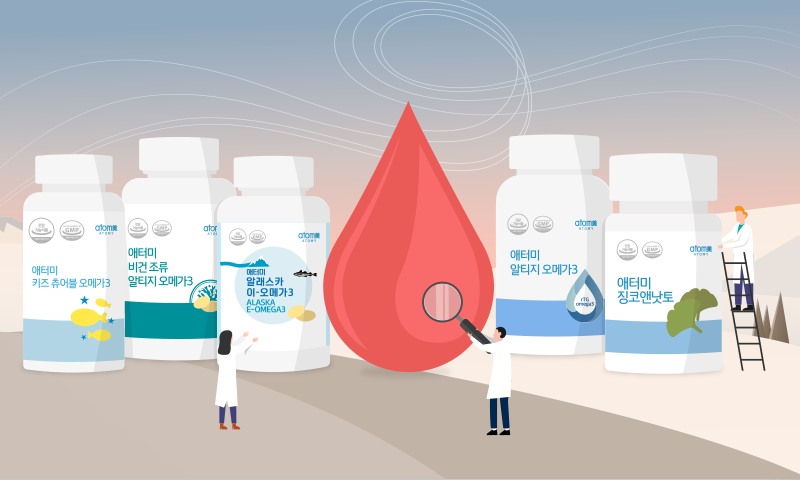
Atomy Products for Vascular Health
Simple Ways to Stay Healthy in Cold Weather!
What does it mean to have healthy blood vessels? It means they can contract and expand as needed, maintaining elasticity while allowing blood to flow freely without obstruction. It also refers to a state in which blood pressure and circulation are properly regulated. When this balance is disrupted, blood vessels gradually stiffen, eventually placing strain on the heart and brain.
A variety of factors can compromise vascular health. High blood pressure places constant stress on vessel walls, reducing their flexibility. Cholesterol buildup causes the vessels to narrow over time, while prolonged high blood sugar can damage their inner lining. Smoking, lack of exercise, high-sodium diets, and chronic stress also contribute to weakening the vascular system. What makes this especially concerning is that these changes often occur without noticeable symptoms. As a result, many people go about their daily lives unaware of their vascular health status.
Cold weather is another factor that can impact vascular health. As temperatures drop, the body constricts peripheral blood vessels to conserve heat. This narrows the vessels and naturally raises blood pressure. For those with already reduced vascular elasticity, these changes can place additional strain on the body.
In colder conditions, sweating decreases and fluid intake often declines, which can make the blood more viscous. Increased blood viscosity raises the risk of clot formation. When combined with reduced physical activity due to less time spent outdoors, these factors create conditions that can further compromise vascular health.
Daily habits play an important role in maintaining vascular health. While it may sound obvious, on very cold days it’s best to limit strenuous outdoor activities and stay well-protected with warm clothing and a consistent routine. When heading outside, keep areas where blood vessels are more exposed—such as the neck, wrists, and ankles—warm to help prevent sudden vasoconstriction. Dressing in multiple thin layers provides better insulation than a single thick garment and makes it easier to adjust to temperature changes.
For exercise, opt for indoor or warm environments during milder hours, such as after 10 a.m. or between 2 and 4 p.m. Be sure to include proper warm-ups and stretching before and after workouts to help your blood vessels relax gradually.
Even if you don’t feel thirsty, drink water regularly in small amounts to prevent your blood from becoming overly concentrated. As you may spend more time indoors, it’s also important to maintain circulation through light stretching or walking.

Gradual relaxation of blood vessels through pre- and post- exercise stretching

Indoor exercise in a warm environment on cold days

Maintaining body temperature through layered clothing and warm water intake
Dietary habits are also fundamental to vascular health. Reducing salt intake and avoiding excessive alcohol consumption—especially during year-end gatherings—can help stabilize blood pressure. In addition, regularly monitoring your blood pressure, blood sugar, and lipid levels, even in the absence of symptoms, is one of the most practical ways to manage vascular health effectively.
* The above content is general health information and is not directly related to the product.

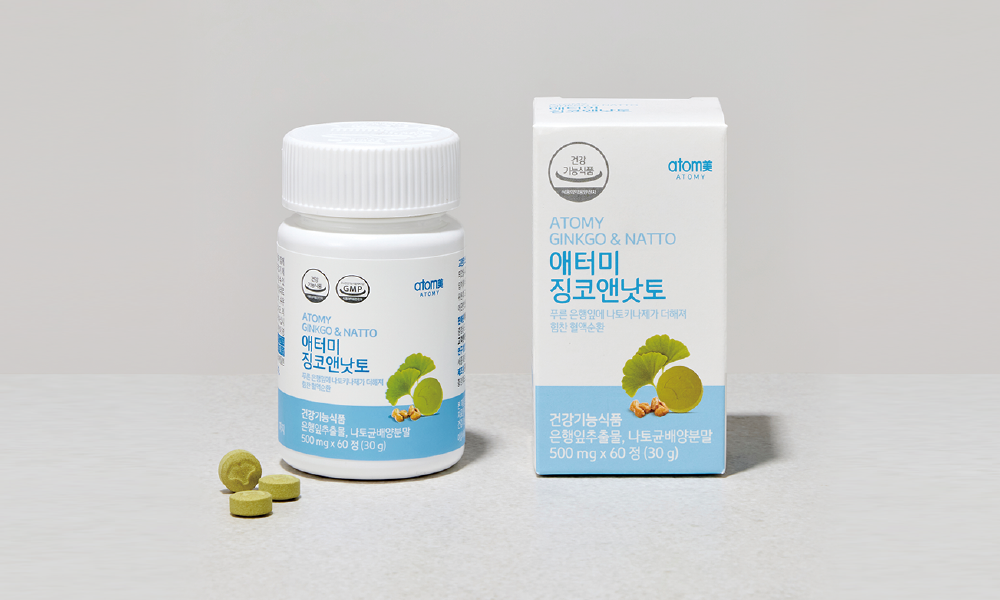
Atomy Ginkgo & Natto is formulated to support healthy blood circulation. It combines ginkgo leaf extract, a functional ingredient known to help improve blood flow and memory, with natto bacteria cultured powder, which further promotes circulation. Together, these ingredients provide synergistic support for vascular health.
Human clinical studies have demonstrated that ginkgo biloba extract can significantly reduce platelet aggregation, improve vasodilation, and lower blood viscosity compared to baseline levels. It may be beneficial for individuals seeking to support vascular health or those experiencing memory decline in daily life.


* Findings from human clinical trials of ginkgo biloba extract
* Results from human clinical trials may vary among individuals
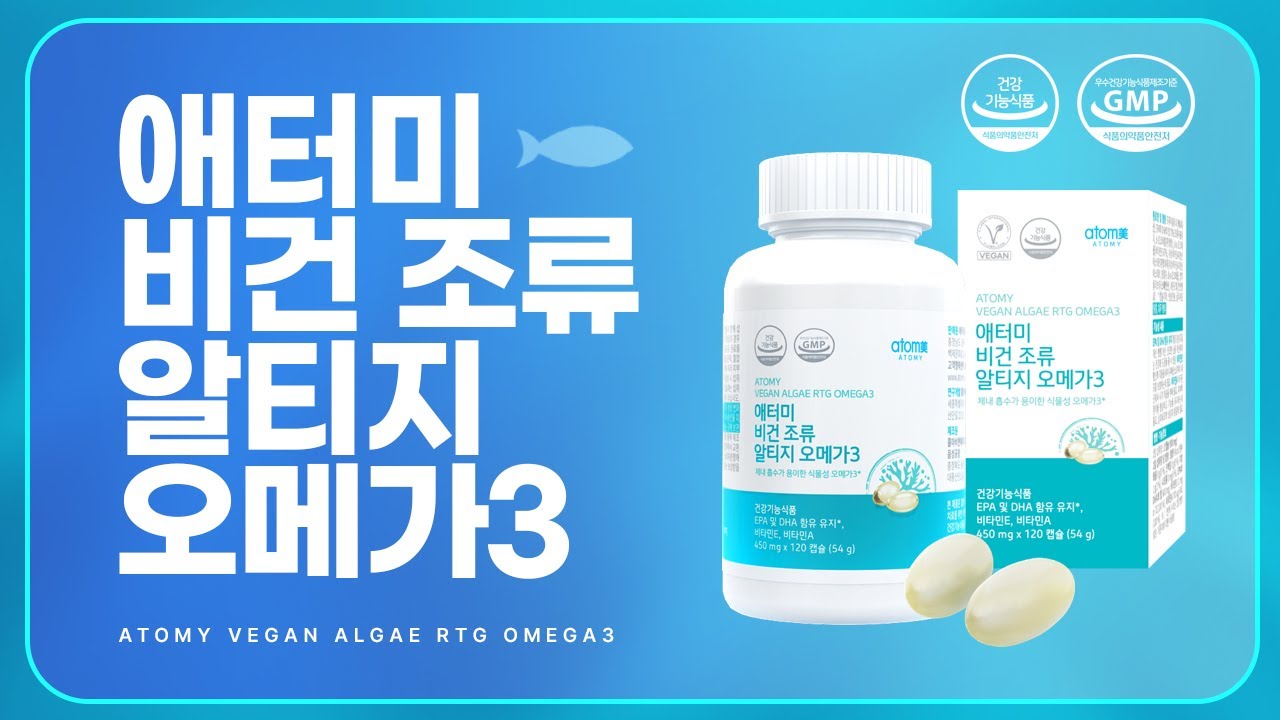
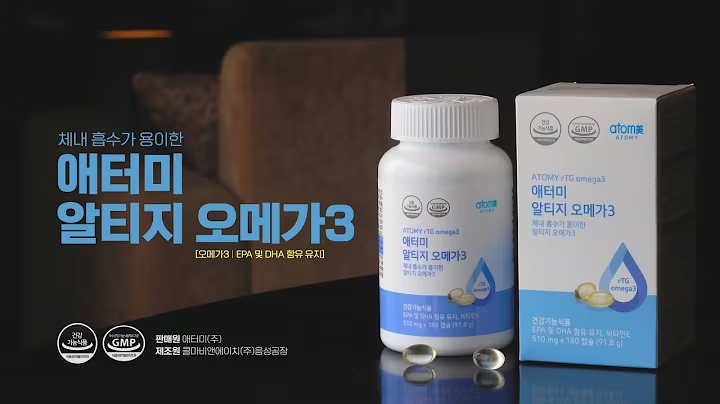
Omega-3 fatty acids are found abundantly in fish. The EPA they contain helps prevent the blood from becoming overly viscous, lowers triglyceride levels, and promotes smooth blood flow through the vessels. By helping maintain healthy blood consistency, they can support overall cardiovascular health.